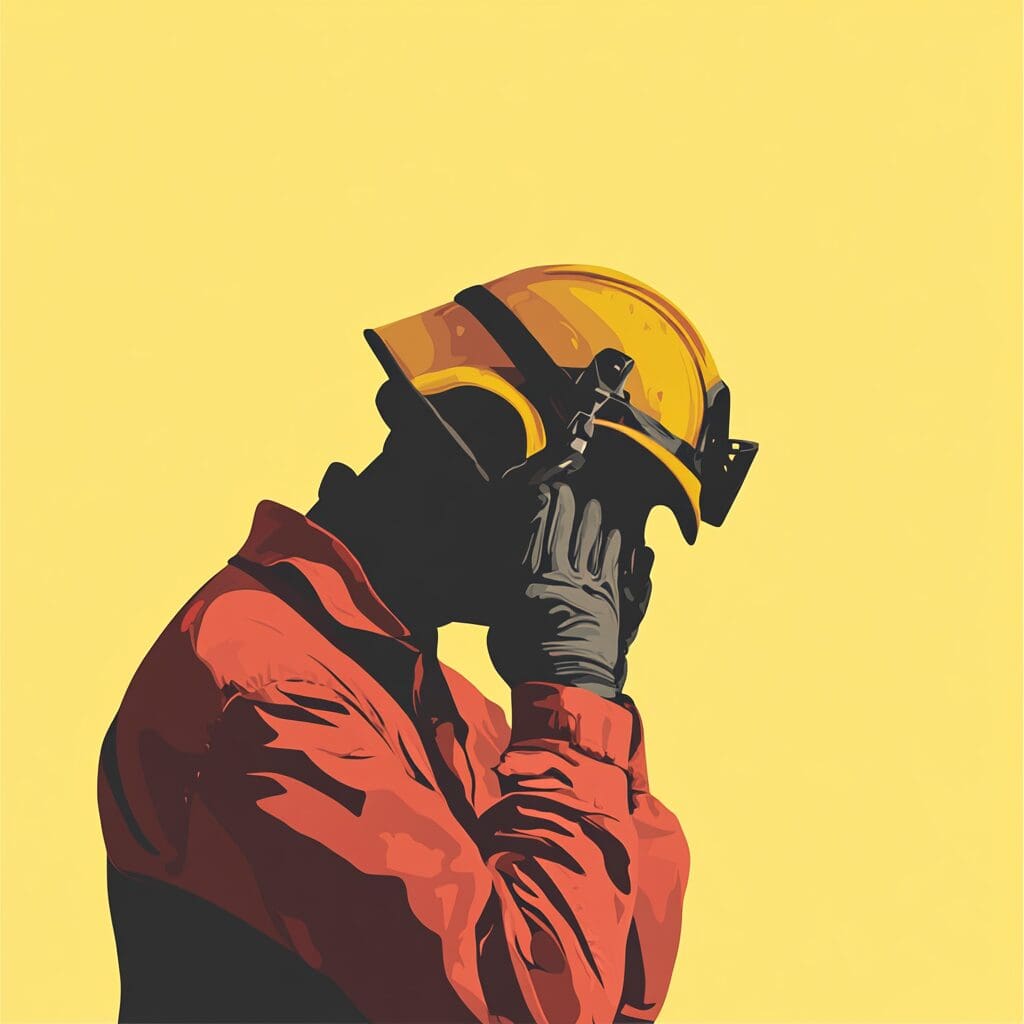

Veterans and first responders face extraordinary challenges, often working in high-stress, life-threatening situations. These experiences can leave lasting psychological effects, and many struggle quietly with PTSD, anxiety, depression or moral injury. Stigma and the nature of their work often make seeking help difficult.
Eye Movement Desensitisation and Reprocessing (EMDR) therapy is one option. This evidence-based approach helps people process traumatic memories and restore emotional balance.
If you are in crisis
Call or text 9-8-8 (Suicide Crisis Helpline, 24 hours). If you or someone else is in immediate danger, call 911. In BC you can also call 1-800-784-2433 (1-800-SUICIDE) any time, or 310-6789 (no area code) for mental health support. The Healing Oak is not an emergency service.
Understanding the impact of trauma on veterans and first responders
The nature of their work
Veterans and first responders face some of the most intense and high-stakes situations imaginable. Their daily realities often include:
- Life-threatening events like combat missions or disaster response.
- Exposure to violence or tragic loss of life.
- Split-second decision-making with consequences that can stay with them.
These experiences are far from ordinary and can leave a lasting imprint on mental and emotional well-being.
The hidden toll of trauma
Repeated exposure to traumatic events can lead to serious psychological challenges, including:
- Post-traumatic stress disorder (PTSD): Flashbacks, nightmares and constant hypervigilance disrupt daily life.
- Anxiety and depression: Persistent feelings of unease, hopelessness or guilt.
- Moral injury: Struggles with guilt or shame when actions conflict with deeply held values.
Trauma can also take a physical toll, showing up as chronic pain, fatigue or even heart problems.
Barriers to seeking help
Despite these challenges, many veterans and first responders hesitate to seek help because of:
- Stigma: Mental health struggles are often seen as a weakness in professions that prize resilience.
- Cumulative trauma: The gradual build-up of distress over the years can make it harder to pinpoint the source of the pain.
Acknowledging these barriers helps explain why stigma-free options like EMDR therapy matter for this community.
Why EMDR can suit veterans and first responders
EMDR therapy addresses some of the specific challenges veterans and first responders face in processing trauma. Its structured, evidence-based method helps people reprocess distressing memories so they carry less emotional impact.
Targeted trauma relief
EMDR focuses on specific traumatic memories or events. Whether it is a single life-threatening incident or years of cumulative trauma, EMDR offers a clear structure for working through it.
Minimal verbal demand
For people hesitant to discuss their experiences in depth, EMDR's use of bilateral stimulation and guided reprocessing offers an alternative. It does not require extensive verbal recounting, which can feel overwhelming or re-traumatising.
Your pace
How long EMDR takes depends on your history and goals. Your practitioner will talk this through with you after your first sessions.
Broader symptom relief
EMDR aims to ease PTSD symptoms, like flashbacks and hypervigilance, and can also help with related issues such as anxiety, depression and sleep disturbances.
By working on both the emotional and cognitive sides of trauma, EMDR can help veterans and first responders regain a sense of control over their memories, emotions and lives.
How EMDR therapy works for veterans and first responders
EMDR therapy provides a structured, step-by-step approach designed to help people reprocess traumatic memories and reduce their emotional intensity, with safety and trust built in from the start.
Preparation phase: building safety
The therapist and client work together to establish trust and a safe therapeutic environment. Clients learn coping strategies, such as deep breathing and visualisation, to manage emotional distress during and between sessions.
Identifying trauma: pinpointing the source
The therapy focuses on identifying specific traumatic events or memories that trigger distress. For first responders, this might include a critical incident; for veterans, it could involve combat experiences or moral injuries. The therapist also identifies negative beliefs tied to these memories, such as guilt or feelings of helplessness.
Processing the trauma: rewriting the narrative
Using bilateral stimulation, such as guided eye movements, tapping or auditory cues, the therapist helps the client reprocess the traumatic memory. This is thought to support the brain's natural processing, so the memory becomes part of a less distressing story. Over time, the emotional charge tied to the memory can lessen.
Integration: restoring balance
Later in treatment, clients work on replacing negative beliefs (for example, "I am powerless") with more helpful ones (for example, "I am in control of my life"), so reprocessed memories disrupt daily life less.
Tailored to their needs
EMDR can be adapted for the specific challenges faced by veterans and first responders, including single-incident trauma, cumulative stress or moral injury. It aims to do more than ease symptoms, helping people rebuild resilience and move forward.
Research supporting EMDR for trauma recovery
EMDR therapy has a substantial research base for trauma-related conditions such as PTSD. Studies have looked at its ability to reduce symptoms and improve emotional well-being.
Research on PTSD
Many clinical trials have studied EMDR for PTSD and found it can reduce symptoms for many people. Some reviews have found it comparable to other trauma-focused therapies such as Cognitive Behavioural Therapy (CBT).
Military populations
Veterans have been a significant focus of EMDR research because of high rates of trauma exposure. Studies with combat veterans report improvements in symptoms like flashbacks, nightmares and hypervigilance.
First responders
First responders, including paramedics, police officers and firefighters, often face cumulative trauma from repeated exposure to distressing events. EMDR can help people work through a series of incidents rather than a single event, which can suit those with complex trauma histories.
Lasting change
Some studies have followed people after EMDR and found symptom improvements held over time. Results vary from person to person.
Broader applications
While first developed for PTSD, EMDR is also being studied for anxiety, depression, phobias and chronic pain linked to trauma.
Recognised for trauma recovery
EMDR is recognised by major organisations like the World Health Organization (WHO), the American Psychological Association (APA) and the US Department of Veterans Affairs (VA) as a treatment for trauma.
How to get started with EMDR therapy
Taking the first step toward EMDR therapy can feel overwhelming. With the right guidance it is a straightforward process. Here is how veterans and first responders can begin:
Find a qualified EMDR therapist
Look for a licensed mental health professional specifically trained in EMDR therapy. Many therapists work with veterans and first responders and understand these roles' challenges. Resources like the EMDR International Association (EMDRIA) website can help you locate a qualified practitioner.
Assess your needs
Before starting therapy, reflect on your goals. Are you dealing with a single traumatic event, cumulative stress, or symptoms like anxiety or depression? Sharing this with your therapist will help tailor treatment to your experiences.
Understand the process
During the first appointment, your therapist will explain the EMDR process, including the eight phases of therapy and what to expect during each session. This helps build trust and helps you feel prepared.
Prioritise accessibility
Some organisations provide financial assistance or free therapy options for veterans and first responders. In Canada, check with Veterans Affairs Canada, WorkSafeBC, community mental health centres or support groups for resources. Many extended health plans cover counselling, so check the details with your provider.
Commit to the process
EMDR therapy takes commitment and an open mind. Trust the process and your practitioner's guidance as you work through the sessions. Self-care practices, like mindfulness or regular physical activity, can support your recovery.
Taking the first step
Getting started with EMDR therapy is a courageous step toward reclaiming your mental and emotional well-being. With the right therapist and support, many veterans and first responders find relief from trauma and build a more resilient future.

Healing is possible
EMDR therapy offers hope for veterans and first responders who have faced enormous challenges. By helping people reprocess painful memories, it can open the way to healing and resilience.
For those who have dedicated their lives to protecting others, this is a chance to prioritise their own well-being. Recovery is possible, and taking that first step, whether by seeking an EMDR-trained therapist or exploring available resources, can lead to a more balanced future.
You can book EMDR therapy in Chilliwack or Abbotsford without a referral.
Ready to take the next step?
You can book directly with either clinic. No referral is needed. Session durations vary, and how long EMDR takes depends on your history and goals. Direct billing depends on the practitioner, so check their profile or ask when you book.
| Clinic | Address | Phone |
|---|---|---|
| The Healing Oak Chilliwack | #101-7408 Vedder Road, Chilliwack, BC V2R 4E6 | (604) 846-2999 |
| The Healing Oak Abbotsford | #111, 2632 Pauline Street, Abbotsford, BC V2S 0C9 | (604) 850-9097 |
This article is general information, not medical or psychological advice. For advice about your situation, talk to a qualified practitioner.