
The idea that massage may help people living with anxiety and depression is not new. But it's also not widely known. So here's a quick, honest rundown of what massage can and can't do, and how it fits alongside other care.
If you are in crisis
Call or text 9-8-8 (Suicide Crisis Helpline, 24 hours). If you or someone else is in immediate danger, call 911. In BC you can also call 1-800-784-2433 (1-800-SUICIDE) any time, or 310-6789 (no area code) for mental health support. The Healing Oak is not an emergency service.
Depression and anxiety are among the most common mental health issues Canadians face
Depression is common. The World Health Organization (WHO) estimates that about 5.2% of adults worldwide live with depression (fact sheet, September 2026). Closer to home, more than 5 million people in Canada met the criteria for a mood, anxiety or substance use disorder in 2022, according to Statistics Canada (released September 2023).
Anxiety disorders are the most common mental disorders in the world, according to the WHO (September 2026). In Canada, the share of people aged 15 and older with generalized anxiety disorder doubled between 2012 and 2022, from 2.6% to 5.2% (Statistics Canada, 2023).
Massage therapy can sit alongside care for anxiety and depression, not replace it.
Massage therapy is not a treatment for anxiety or depression, and it is not a cure. If you live with depression or anxiety and are thinking about adding massage to your care, know that it does not replace counselling, medication or your doctor's advice.
Massage on its own does not treat these conditions. Some people use it alongside other care, such as counselling and regular exercise.
Some people simply find massage relaxing, and feeling calmer in your body can be worth a lot on a hard week. If your current care isn't helping as much as you hoped, talk to your counsellor or doctor first. Massage can be something you add, not a substitute for changing your treatment plan.
So what does the research say? The US National Center for Complementary and Integrative Health (NCCIH) says some studies suggest massage therapy may reduce anxiety, but more high-quality trials with larger numbers of people are needed before firm conclusions can be drawn (updated September 2024). Research on massage for depression is more limited. NCCIH's massage therapy fact sheet describes some benefit for anxiety and depression in specific groups, such as people living with fibromyalgia or HIV, but the studies are small (updated May 2019).
Some people with depression or anxiety book massage to relax, manage stress and wind down.
Many people book massage to unwind, ease muscle tension and take a break from stress. Those are good reasons to book, but they are not the same as treating anxiety or depression.
Some people also say they sleep better after a massage. If anxiety or depression is keeping you up at night, mention it to your doctor or counsellor as well, since poor sleep can have many causes.
Massage may help with the physical tension that can come with depression and anxiety.
Restlessness, irritability, tiredness and trouble sleeping can come with depression and anxiety. Some people find a massage leaves them feeling more relaxed for a while afterwards, and feeling calmer, even briefly, can make the rest of the day a little easier.
Some people with depression or anxiety also live with muscle and joint pain.
If that sounds familiar, massage may help tight muscles relax. Keep expectations realistic: for neck and shoulder pain, NCCIH says massage may help, but the benefits may only last a short time (2019).
When you're stressed out, it's easy to forget about yourself, but looking after your body is part of looking after your health. If you've been feeling overwhelmed lately, a massage may be a good way to take a break.
If you're dealing with postpartum depression, talk to your doctor or a counsellor first. Massage isn't a replacement for treatment with a mental health professional, but it can sit alongside counselling while you work on other parts of your mental health.
Stress and muscle tension often go together.
Stress can leave your shoulders, neck and jaw tight, and tight muscles can feel sore. Massage may help those muscles relax, and many people simply find that feels good.
Massage therapy is built on trust between you and your therapist.
Massage therapy can be a useful addition to your care if you live with depression or anxiety, and it depends on trust between you and your Registered Massage Therapist (RMT). You decide what you're comfortable with, and you can ask for lighter or firmer pressure, or to stop, at any point.
A good RMT works without judgment. That matters, because some people living with mental health concerns feel self-conscious about how their bodies look or feel. If that's you, say so at your first appointment. You can keep more clothing on, or ask for work on one area only.
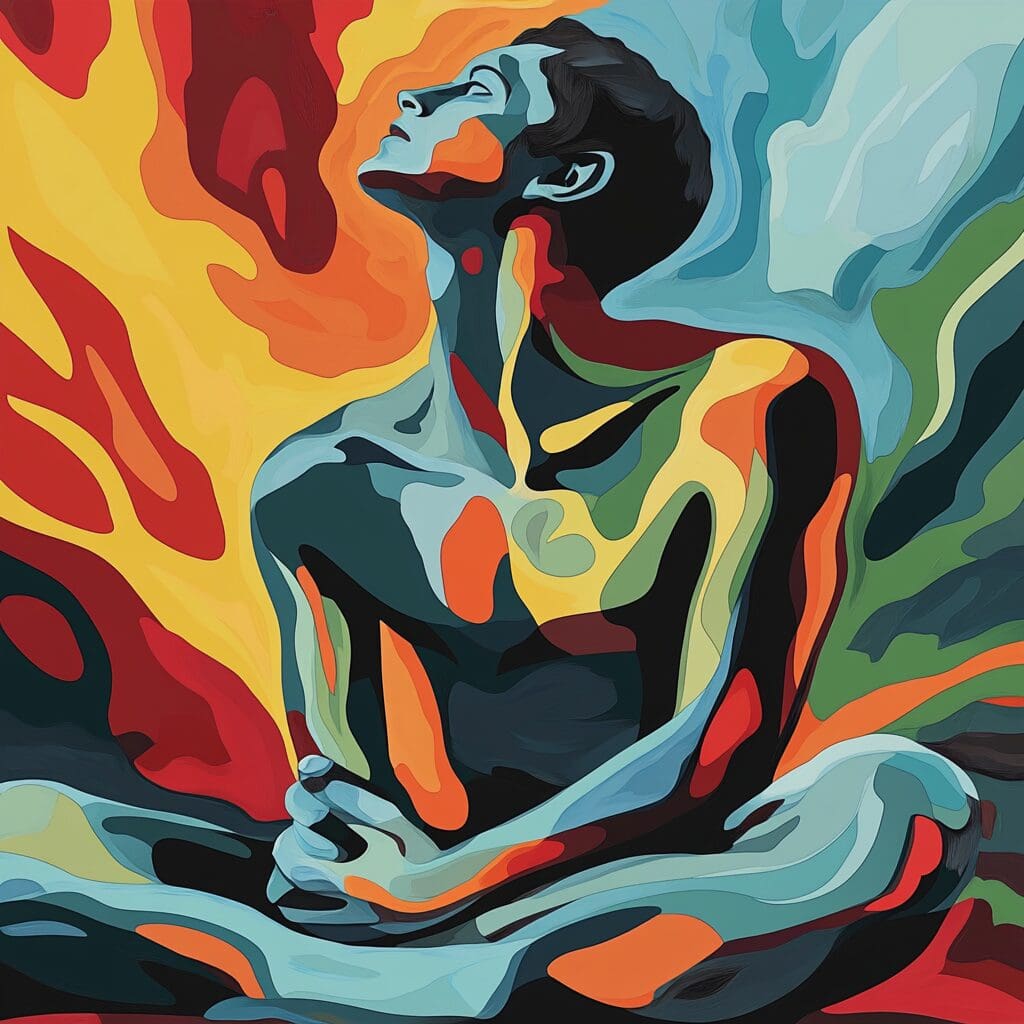
Massage can be one part of your care if you live with depression or anxiety
Massage therapy can be a helpful addition to your care if you live with depression or anxiety. Some people book massage to:
- •Relax and take a break from stress
- •Wind down at the end of a hard week
- •Feel more at ease in their body
- •Ease tight muscles in the neck, shoulders or back
Massage is not a replacement for mental health care. If anxiety or depression is affecting your sleep, work or relationships, start with a counsellor. Our pages on anxiety and depression explain where counselling fits.
Registered massage therapy is offered at our Chilliwack and Abbotsford clinics. You do not need a referral to book an RMT, and session durations vary. Fees vary by practitioner. Confirm the fee when you book. Direct billing depends on the practitioner. Ask when you book.
This article is general information, not medical or psychological advice. For advice about your situation, talk to a qualified practitioner.