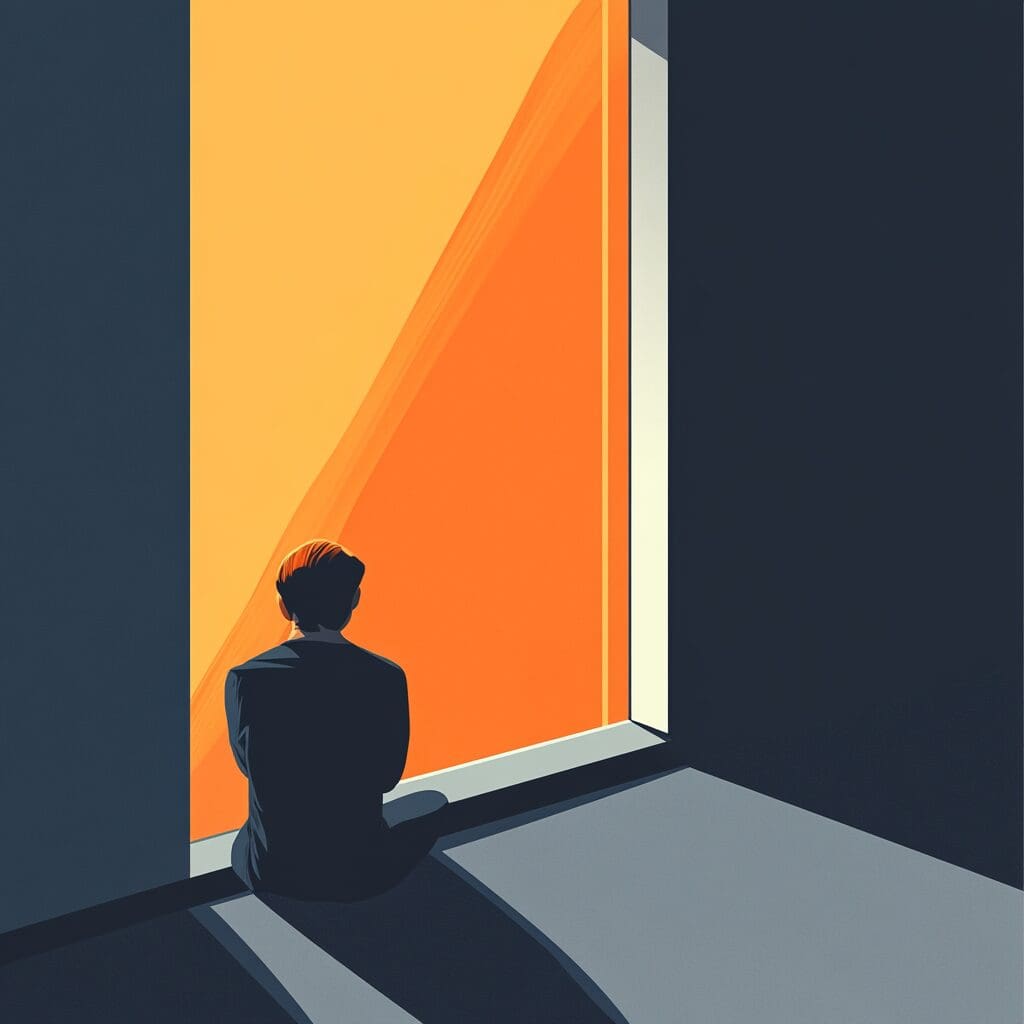
Phobias are more than just fears; they are intense, overwhelming reactions to specific objects, activities, or situations that feel impossible to control. Unlike typical worries, phobias often trigger physical symptoms like rapid heartbeat, sweating, or even a sense of panic, and they can deeply disrupt daily life. Whether it’s a fear of heights, flying, public speaking, or even certain animals, phobias can limit a person’s ability to enjoy experiences or pursue opportunities.
The good news is that phobias are not insurmountable; they can be managed and overcome with the proper support and strategies. One of the most effective treatments for phobias is Cognitive Behavioural Therapy (CBT).
This structured, evidence-based approach helps people confront and change the thoughts and behaviours fueling their fears. By addressing both the emotional and physical responses to phobias, CBT empowers individuals to regain control over their lives.
What Are Phobias?
Did you know?
Specific phobias affect approximately 7 to 9% of the population. Despite their prevalence, phobias are among the most treatable mental health conditions, with cognitive behavioural therapy achieving success rates of 80 to 90% in controlled studies.
A phobia is an intense and irrational fear of a specific object, situation, or activity that goes beyond normal worry or caution. For those affected, the fear can feel all-consuming, often leading to avoidance behaviours that interfere with daily life. While fear is a natural survival instinct, phobias are exaggerated responses that don’t match the actual level of threat.
What Causes Phobias?
Phobias often develop due to a combination of factors:
- Trauma or Negative Experiences: A single distressing event, such as being trapped in an elevator, can lead to a lasting fear.
- Learned Behaviour: Observing others (e.g., a parent’s fear of dogs) can influence one’s reactions.
- Biological Factors: Genetics and brain chemistry may make some people more prone to anxiety and phobias.
Understanding the nature of phobias is critical to managing them. While they may feel insurmountable, effective treatments like Cognitive Behavioural Therapy (CBT) can help individuals address the root causes and regain control over their lives.
Types of Phobias
Phobias are typically classified into three main categories:
- Specific Phobias: These involve fear of particular objects or situations, such as spiders (arachnophobia), heights (acrophobia), or flying (aviophobia).
- Social Anxiety Disorder (Social Phobia): This is a fear of social or performance situations where embarrassment or scrutiny is a concern, such as public speaking or meeting new people.
- Agoraphobia: A fear of being in situations where escape might be difficult, such as crowded places or public transport. This can severely restrict mobility and independence.
Symptoms of Phobias
Phobias trigger both physical and emotional reactions, including:
- Physical Symptoms: Sweating, trembling, rapid heart rate, dizziness, or nausea.
- Emotional Symptoms: Panic, dread, or an overwhelming urge to escape the situation. Even thinking about the fear trigger can provoke anxiety, making it hard for individuals to function normally.
How Phobias Affect Daily Life
Phobias can have a profound impact on a person’s quality of life, often extending far beyond the moments of fear. They create a ripple effect, influencing relationships, routines, and career opportunities.
Avoidance Behaviours
One of the most common consequences of phobias is avoidance. Someone fearing flying might skip important family gatherings or job opportunities. At the same time, a person with agoraphobia might limit their world to their home. Over time, this avoidance can shrink a person’s life, reducing their ability to engage with the world around them.
Emotional and Mental Health Impacts
Living with a phobia can be emotionally exhausting. The constant anticipation of encountering the fear trigger can lead to chronic stress and anxiety. Many individuals also experience feelings of shame or frustration about their phobia, compounding their mental distress and sometimes leading to depression.
Physical Symptoms
Phobias don’t just exist in the mind—they can trigger intense physical reactions. Sweating, shaking, dizziness, and even full-blown panic attacks can occur, making situations feel genuinely unbearable. These responses can further reinforce the fear, creating a cycle that feels impossible to break.
Social and Professional Challenges
Phobias can strain relationships, especially when loved ones don’t understand the severity of the fear. Social phobia, in particular, can lead to isolation, making it hard to form or maintain meaningful connections. In the workplace, phobias might limit career growth if certain tasks or environments trigger anxiety.
Phobias are not just “quirks” or minor inconveniences; they can significantly disrupt daily life. However, with treatments like Cognitive Behavioural Therapy (CBT), individuals can learn to confront their fears and rebuild a more balanced life. Recognising the real impact of phobias is the first step in seeking help and taking back control.
How CBT Addresses Phobias
Cognitive Behavioural Therapy (CBT) is one of the most effective treatments for phobias, providing individuals with tools to confront and manage their fears. It works by targeting the thought patterns and behaviours that sustain the phobia, helping to break the cycle of fear and avoidance.
https://www.youtube.com/watch?v=E705zO58SnQFrom Medical Centric
Cognitive Techniques: Rewiring Thoughts
CBT starts by identifying distorted or irrational thoughts about the feared object or situation. For example, someone who fears flying might think, “The plane will crash if I get on it.” CBT challenges these beliefs with facts, logic, and alternative perspectives. Over time, this reframing helps reduce the emotional intensity associated with the fear.
Behavioural Techniques: Facing Fears Gradually
Exposure therapy, a cornerstone of CBT for phobias, involves gradually and safely exposing the individual to their fear in controlled steps. This process, called systematic desensitisation, allows them to face their fear without feeling overwhelmed. For example:
- A person with a fear of dogs might start by looking at pictures of dogs.
- Next, they might watch a dog from a distance.
- Eventually, they might pet a dog in a safe environment.
Repeated exposure reduces the fear response, teaching the brain that the situation is not dangerous.
Mindfulness and Relaxation: Staying Grounded
CBT often incorporates relaxation techniques, such as deep breathing or progressive muscle relaxation, to help individuals stay calm during exposure exercises. These tools empower them to handle anxiety when it arises.
Building Resilience
CBT doesn’t just address the immediate fear—it equips individuals with lifelong skills to manage anxiety, cope with stress, and prevent relapses. By fostering confidence and emotional resilience, CBT empowers people to face not only their phobias but also other challenges in life.
Through its structured and practical approach, CBT transforms fear into empowerment, showing individuals that they can reclaim control and live freely without being held back by their phobia.
Benefits of CBT for Phobias
Cognitive Behavioural Therapy (CBT) offers a transformative path for individuals struggling with phobias, helping them regain confidence and control over their lives. Its effectiveness is rooted in evidence-based methods and a personalised approach that targets the specific needs of each individual.
- Proven Effectiveness: CBT has a strong track record of success, with research showing it helps up to 80% of people with specific phobias. By addressing both the thoughts and behaviours underlying the fear, CBT provides lasting relief rather than just temporary coping mechanisms.
- Lifelong Skills: Unlike some treatments that only address symptoms, CBT equips individuals with tools they can use for a lifetime. Techniques like thought reframing, exposure strategies, and relaxation exercises help manage not only phobias but also general anxiety and stress.
- No Need for Medication: For many, CBT offers an effective alternative to medications, avoiding potential side effects. While medication may complement therapy in severe cases, CBT alone is often sufficient to achieve significant progress.
- Adaptability: CBT is highly flexible and can be tailored to various phobias, from specific fears like flying or spiders to complex conditions like social anxiety or agoraphobia. It’s also suitable for different age groups, including children and teens.
- Empowering and Confidence-Building: CBT fosters a sense of empowerment by helping individuals face their fears in a controlled and supportive way. Overcoming even small steps in exposure therapy can boost confidence and motivate further progress.
- Prevents Relapse: CBT doesn’t just address the phobia itself; it also teaches strategies to prevent the return of fear. This makes it a sustainable, long-term solution for maintaining mental health.

When to Seek Help
Phobias can range from mildly inconvenient to severely debilitating, but knowing when to seek professional help is crucial for reclaiming control over your life. While occasional fear is expected, a phobia becomes a concern when it disrupts your daily routines, relationships, or overall well-being.
- Avoidance Behaviour: If you go out of your way to avoid specific situations, objects, or places, it might be time to address the underlying fear.
- Interference with Daily Life: When a phobia limits your ability to work, travel, socialise, or enjoy activities, professional intervention can help.
- Intense Physical Reactions: Experiencing frequent panic attacks, dizziness, or nausea in response to your fear may indicate the need for treatment.
- Emotional Distress: If feelings of shame, frustration, or hopelessness about your phobia are affecting your mental health, seeking help can provide relief.
- Worsening Symptoms: A phobia that grows more severe over time or expands to new areas of life should not be ignored.
Why Professional Help Matters
Phobias are often deeply ingrained and difficult to overcome without guidance. Therapies like Cognitive Behavioural Therapy (CBT) offer proven methods to break the cycle of fear and avoidance. With a trained therapist, you’ll gain tools to manage anxiety, face your fears gradually, and build resilience.
Where to Start
- Find a Qualified Therapist: Look for a mental health professional with experience in CBT or phobia treatment.
- Explore Online Options: Virtual therapy can be a convenient and effective alternative if in-person sessions aren’t accessible.
- Talk to Your Doctor: They can help assess the severity of your phobia and recommend appropriate next steps.
Seeking help is not a sign of weakness but strength and self-care. The earlier you reach out, the sooner you can begin to reclaim your life from the grip of fear. Remember, treatment is highly effective, and with the right support, freedom from phobias is entirely possible.
Reclaiming Freedom: Taking the First Step Toward Overcoming Phobias
Phobias may feel overwhelming, but they are not insurmountable. With the proper understanding and tools, you can break free from fear and regain control of your life. Cognitive Behavioural Therapy (CBT) offers a proven, practical approach to confronting phobias, helping you reframe your thoughts, face your fears, and build lasting confidence.
Whether personally affected or supporting a loved one, taking that first step toward seeking help is a powerful act of courage and self-care. Remember, overcoming a phobia isn’t just about eliminating fear—it’s about reclaiming the freedom to live fully and fearlessly.

Published by The Healing Oak
For phobias and CBT, our Chilliwack clinic’s contact is Remi Wauthy, RCC.
FAQ's
What is the success rate of CBT for phobias?- Studies show CBT is effective for up to 80% of individuals with phobias.
- Most people see improvements within 8–12 weeks of therapy.
- Yes, self-help CBT can be effective for mild cases, but professional guidance is recommended for severe phobias.
- Many insurance plans cover CBT; check with your provider for specifics.
- Other options include exposure therapy, EMDR, medication, and mindfulness-based therapies.
Clinical Insight
Exposure-based CBT for phobias follows a graduated approach. Starting with the least anxiety-provoking scenario and progressively increasing intensity, clients learn that the feared outcome rarely materializes. This process, known as habituation, rewires the brain's threat detection system over time.
Ready for a change?
Contact us today to schedule a consultation with a Registered Clinical Counsellor. Let's work together to work through a phobia. Book an AppointmentResources:
- Centre for Addiction and Mental Health (CAMH): "Specific Phobias"
- Canadian Mental Health Association (CMHA): "Anxiety Disorders"
- Anxiety Canada: "What is CBT?"
Book Your Appointment
The Healing Oak offers cognitive behavioural therapy and counselling at our Chilliwack and Abbotsford clinics. No doctor's referral is required, and we offer direct billing to most extended health benefit plans.
Learn more about our counselling services at The Healing Oak, or contact us to schedule your first appointment.