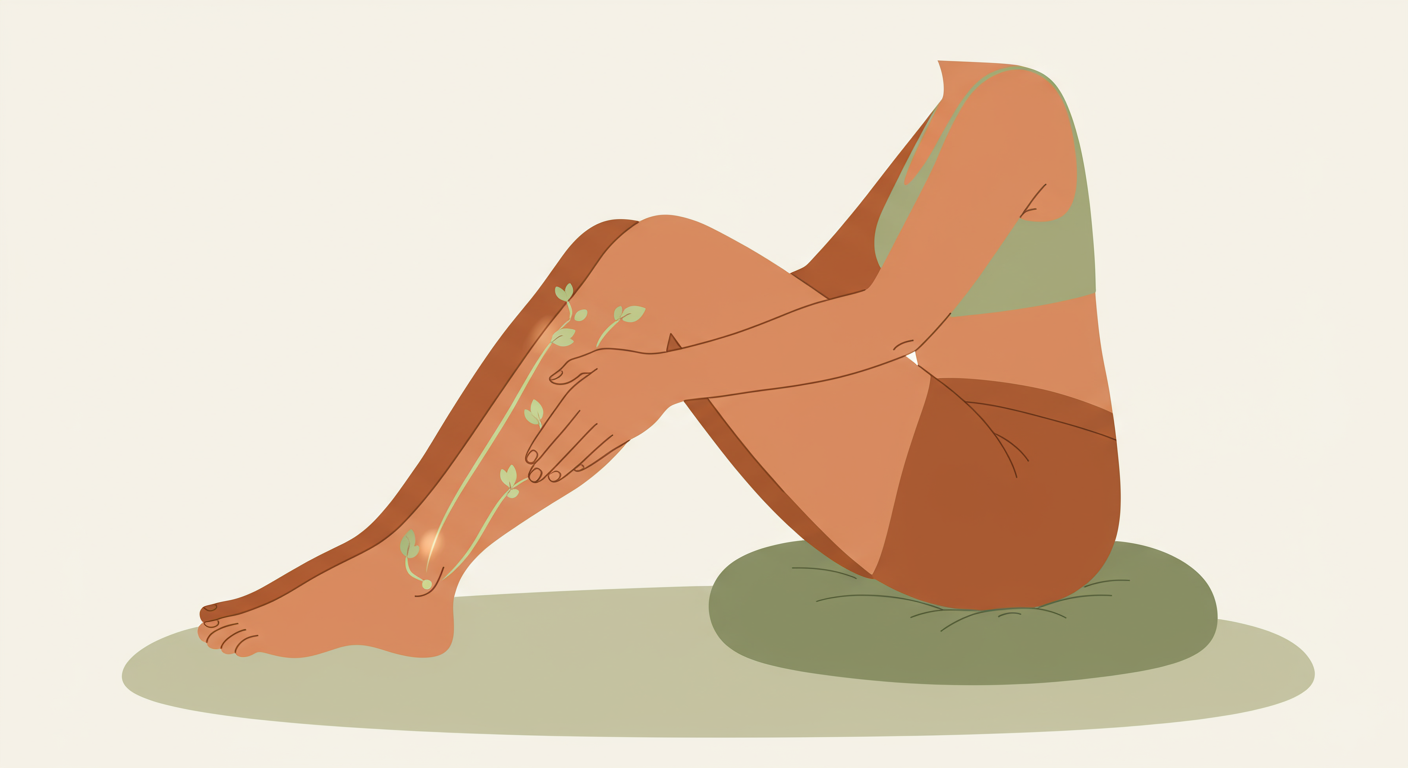
Understanding the Lymphatic System
The Role of the Lymphatic System in Health
Did you know?
The lymphatic system processes approximately 3 litres of fluid per day. Unlike the cardiovascular system, it has no central pump. Lymphatic drainage techniques use gentle, rhythmic pressure to manually encourage this fluid movement, reducing swelling and supporting immune function.
The lymphatic system is a crucial component of the body’s immune and circulatory functions, yet it often operates silently in the background of our daily lives. Understanding its role can bolster your appreciation for this intricate system that diligently works to maintain your health.
Key Functions of the Lymphatic System:
- Defense Against Infection: One of the primary functions of the lymphatic system is to defend the body against infection. Lymph, a fluid rich in white blood cells, flows through lymph vessels and filters through lymph nodes where harmful pathogens and toxins can be trapped and destroyed. The lymphatic system ensures that infections are controlled before they can spread throughout the body.
- Regulation of Fluid Balance: The lymphatic system helps maintain fluid balance within the body. It collects excess fluid, usually accumulated from the blood capillaries, that has bathed the cells and tissues, and returns it to the bloodstream. This function is crucial in preventing fluid accumulation (edema) in tissues, which can cause swelling, particularly in the limbs.
- Transport of Nutrients and Waste Products: Lymphatic vessels transport fats and fat-soluble vitamins absorbed into the lymphatic system from the digestive tract, eventually delivering them into the bloodstream. Additionally, the lymphatic system removes waste products and by-products of metabolism from tissues and brings them to organs such as the liver and kidneys for processing and elimination.
- Support of the Immune System: The lymphatic system supports the immune system by producing and transporting lymphocytes (a type of white blood cell) that play a pivotal role in fighting infections. Lymphoid organs such as the thymus, spleen, tonsils, and bone marrow are integral to the production and maturation of these critical immune cells.
Lymphatic drainage is this natural process essential for the transport of lymph throughout the body. It ensures that lymph circulates and is cleansed of pathogens and toxins within the lymph nodes. However, it can become impaired due to conditions like lymphedema, infections, or surgical interventions. Understanding these roles of the lymphatic system highlights the importance of maintaining its health. Practicing self-massage for lymphatic drainage, particularly in areas prone to fluid accumulation such as the legs, can support the system’s efficacy in performing these vital functions.
Common Issues Related to Lymphatic Health
The lymphatic system’s functions, when impaired, can lead to a range of health issues that affect overall well-being. Recognizing these issues and understanding their implications is important for timely intervention and management. Below are some common lymphatic health concerns, particularly those affecting the legs:
Lymphedema
Causes: Lymphedema is a condition characterized by swelling, typically in the arms or legs, due to the accumulation of lymph fluid. It can be primary (congenital) or secondary (acquired). Secondary lymphedema is more common and usually results from damage to the lymphatic system due to surgery, radiation therapy, infection, or trauma.
Impact on Legs: In the legs, lymphedema can cause significant swelling, discomfort, and even pain. The affected limb becomes heavy, making movement difficult and increasing the risk of skin infections. Chronic lymphedema can lead to skin changes and thickening.
Lymphatic Insufficiency
Causes: Lymphatic insufficiency occurs when the lymphatic system cannot adequately transport lymphatic fluid. This can be due to congenital abnormalities, infections, or conditions like obesity or immobility that impede proper lymphatic function.
Impact on Legs: Lymphatic insufficiency can lead to swelling in the legs, often accompanied by a feeling of tightness or heaviness. Persistent swelling can reduce mobility and increase the risk of developing lymphedema.
Venous Insufficiency
Causes: While not solely a lymphatic issue, venous insufficiency (where veins struggle to return blood to the heart) can impact lymphatic drainage. The increased pressure in the veins can hinder lymphatic flow and contribute to swelling in the legs.
Impact on Legs: Venous insufficiency often leads to swelling, pain, and a feeling of heaviness in the legs. It can also cause skin changes, such as varicose veins and ulcers.
Chronic Venous-Lymphatic Syndrome
Causes: This condition arises when chronic venous insufficiency leads to impaired lymphatic drainage, causing a combined venous-lymphatic insufficiency.
Impact on Legs: Chronic venous-lymphatic syndrome results in swelling, skin changes, and increased risk of infections in the legs.
Effects of Poor Lymphatic Flow on Leg Health
The lymphatic system functions synergistically with the circulatory and nervous systems. Poor lymphatic flow in the legs can have several implications:
- Swelling and Edema: Accumulated lymphatic fluid in the tissues can cause swelling, discomfort, and even pain. This swelling, if left untreated, can become chronic and lead to complications such as skin changes and infections.
- Limited Mobility: Swollen legs can become heavy, reducing physical mobility and causing discomfort during movement. This can lead to a sedentary lifestyle, worsening lymphatic and circulatory health.
- Mental and Emotional Impact: Chronic swelling and discomfort in the legs can take a toll on mental well-being, leading to anxiety, frustration, and decreased self-esteem.
Recognizing the causes and effects of poor lymphatic flow on leg health underscores the importance of lymphatic drainage techniques. Incorporating self-care practices such as self-massage for lymphatic drainage into your routine can support lymphatic health, alleviate swelling, and improve overall quality of life.
Lymphatic Drainage Legs: A Focused Approach
Benefits of Lymphatic Drainage for Legs
- Improved Circulation and Lymph Flow: The leg region is particularly susceptible to lymphatic congestion due to gravity and the physical distance from the heart. Regular drainage techniques, specifically designed for the legs, can foster better circulation and lymph flow, reducing swelling and fostering leg health.
- Reduction of Swelling and Pain: By stimulating healthy lymphatic and blood circulation, lymphatic drainage techniques can help alleviate swelling and reduce pain associated with poor lymphatic flow in the legs.
- Enhanced Detoxification: Engaging in lymphatic drainage for the legs aids the body’s detoxification processes by ensuring that metabolic waste products and toxins are transported away from tissues for elimination. This detoxification is beneficial for both overall health and aesthetic concerns, such as the appearance of the skin and cellulite.
Techniques for Lymphatic Drainage in Legs
Manual Lymphatic Drainage (MLD) Overview
Manual Lymphatic Drainage for the legs involves gentle and rhythmic massage strokes that are specifically tailored to the anatomical structure of the lymphatic system in the lower body. These strokes are designed to stimulate the flow of lymphatic fluid from the legs toward the central lymphatic collectors.
Self-Massage Techniques for Leg Drainage
Simple self-massage techniques can effectively target lymphatic flow in the legs. These include gentle upward strokes from the ankles towards the knees and groin, promoting the movement of lymphatic fluid out of the legs.
Use of Tools and Aids in Lymphatic Drainage
Tools such as dry brushes or lymphatic rollers can provide additional support for lymphatic drainage in the legs. These tools can help break up congestion and stimulate lymphatic flow, enhancing the effectiveness of manual techniques.
Lymphatic Drainage Massage Techniques
Different Types of Lymphatic Drainage Massage Techniques
- Manual Lymphatic Drainage (MLD): MLD is a specialized and highly effective form of lymphatic massage that utilizes gentle, rhythmic strokes to stimulate lymphatic flow and improve lymph drainage. This technique is gentle yet powerful in promoting lymphatic health.
- Swedish Massage: Swedish massage, with its long, flowing strokes, can support lymphatic circulation and relaxation. While not as targeted as MLD, it can aid in lymphatic flow and enhance overall wellness.
- Deep Tissue Massage: Deep tissue massage targets deeper layers of muscle and connective tissue. Although not typically focused on the lymphatic system, it can indirectly support lymphatic drainage by reducing muscle knots and tension.
- Aromatherapy Massage: Aromatherapy massage incorporates essential oils to enhance relaxation and promote lymphatic flow. Certain oils, such as chamomile and lavender, are known to support lymphatic health.
Effectiveness of Lymphatic Drainage Massage
Studies indicate the efficacy of lymphatic drainage massages, especially MLD, in reducing swelling, promoting circulation, and enhancing lymphatic flow. Massages can improve post-operative recovery, assist in lymphedema management, and support overall wellness.
What to Expect During a Lymphatic Drainage Massage
A typical lymphatic drainage massage session focuses on gentle, rhythmic strokes that align with the lymphatic vessels. A typical session includes:
- Gentle and precise strokes that follow the body’s lymphatic pathways, particularly in the legs, focusing on moving lymph from the extremities toward the lymph nodes in the upper body.
- A relaxing atmosphere with minimal discomfort, emphasizing the soothing nature of the massage.
- Hydration before and after the appointment to assist in detoxification and enhance the overall effectiveness of the massage.
Manual Lymphatic Drainage Techniques
The Four Main Strokes of Manual Lymph Drainage (MLD)
Manual Lymph Drainage (MLD) techniques involve four primary massage strokes, each serving a unique purpose in supporting lymphatic natural drainage and reducing swelling in the legs. These strokes stimulate lymphatic vessels and nodes, improving overall lymphatic circulation in the lower body.
- Stationary Circular Movements: These strokes involve using the fingertips to make gentle, circular motions that stimulate lymphatic flow in specific areas of the legs. Stationary circles are effective in opening up the initial lymphatic vessels and promoting the flow of lymph towards the deeper lymphatics for drainage.
- Pump Movements: Pump movements are performed by gently applying pressure and then releasing it over the lymphatic pathways in the legs. This technique mimics the natural contraction of lymphatic vessels, helping to stimulate lymph flow and encourage drainage away from the lower body.
- Rotary Movements: Rotary movements involve circular motions with a broader surface area of the hand to cover larger sections of the leg. These strokes are particularly effective in promoting lymphatic drainage from areas prone to swelling, such as the calves and thighs.
- Scoop Movements: Scoop movements use a sweeping motion, typically starting from the ankles and moving upward towards the knees and groin. This technique helps move lymph from the lower extremities towards the major lymphatic vessels in the upper legs, improving overall lymphatic circulation.
Home Practice: Can Manual Lymphatic Drainage Be Done at Home?
Yes, with proper guidance and technique. Home MLD involves gently stimulating the lymphatic vessels in the legs to promote circulation and reduce swelling, all while being mindful of your body’s comfort and any specific conditions affecting your lower body.
Safety Measures:
- Before attempting MLD methods at home, you must consult a healthcare professional, especially if you have specific conditions such as lymphedema or vascular issues.
- Proper technique is crucial to avoid causing harm or discomfort.
Frequency:
Regular practice of MLD techniques for the legs can help prevent fluid accumulation, reduce leg swelling, and also support overall lymphatic health, contributing to improved lower body function and a sense of well-being.
Conclusion: Integrating Lymphatic Drainage into Your Routine
Incorporating these techniques into your daily routine can significantly benefit overall health and well-being. Consider professional support for targeted relief, particularly for leg-related issues such as lymphedema, swelling, or poor circulation. Techniques like Manual Lymph Drainage (MLD) can promote lymphatic health, reduce swelling, and enhance lower-body circulation. Integrating these practices can lead to improved overall health and quality of life through natural drainage.
FAQs
Clinical Insight
Research published in the Journal of Physical Therapy Science demonstrates that manual lymphatic drainage significantly reduces limb circumference in patients with lymphedema, with effects measurable after a single session. Consistent treatment over 4 to 6 weeks produces the most sustained improvements.
Frequently Asked Questions
- How does self-massage help with lymphedema? Self-massage can assist in managing lymphedema by promoting lymphatic flow and reducing swelling in affected areas.
- What are the techniques for lymphatic drainage in legs? Various techniques include manual lymphatic drainage, self-massage, and the use of specialized tools to enhance lymphatic flow.
- What are the different lymphatic drainage massage techniques? Techniques range from Manual Lymphatic Drainage (MLD) to Swedish, deep tissue, and aromatherapy massages.
- How effective are lymphatic drainage massage techniques? Studies support the efficacy of massage techniques in enhancing lymphatic flow and managing swelling.
- What can I expect during a lymphatic drainage massage? Expect gentle, soothing techniques aimed at promoting lymphatic drainage and relaxation during the session.
- What are the four main strokes of Manual Lymph Drainage (MLD)? The four strokes are stationary circular movements, pump movements, rotary movements, and scoop movements.
- How effective is Manual Lymph Drainage for lymphatic health? MLD has been shown to improve lymphatic flow and reduce swelling, enhancing overall lymphatic health.
- Can Manual Lymph Drainage be done at home? Yes, with proper knowledge and care, MLD techniques can be practiced safely at home.
Keep Reading: Our natural health blog is packed full of similar great resources and more information to help you explore and deepen your knowledge in health and well-being. Click this link now for more articles, tips, and insights.
Book Your Appointment
The Healing Oak offers manual lymphatic drainage at our Chilliwack and Abbotsford clinics. No doctor's referral is required, and we offer direct billing to most extended health benefit plans.
Learn more about manual lymphatic drainage at The Healing Oak, or contact us to schedule your first appointment.