Welcome to the world of manual osteopathy, a therapeutic practice that holistically addresses the interconnectedness of your body's systems.
If you're preparing for your first manual osteopathy appointment, you might have some questions or feel uncertain.
This article is written to help guide you through what to expect and how to prepare, so you can arrive feeling comfortable and informed.
Understanding Manual Osteopathy
Manual osteopathy is an integrative and holistic approach to healthcare that focuses on the manual treatment of the body's structures and tissues. It is grounded in the philosophy that all body systems are interconnected and function as a unit.
This means that issues in one area of the body can affect an individual's overall health and well-being.
Core Principles of Manual Osteopathy
- •The Body as an Integrated Unit: Osteopathy is based on the principle that the body is an integrated unit. This means that the body's systems (muscular, skeletal, nervous, circulatory, and lymphatic) work in harmony. An imbalance or dysfunction in one system can impact others, leading to pain, discomfort, or illness.
- •The Body's Natural Ability to Heal: A central tenet of osteopathy is the belief in the body's inherent ability to heal itself. Osteopathic treatment aims to support and enhance this natural healing process by restoring proper function and balance to the body.
- •Structure and Function are Interrelated: In osteopathy, there's a focus on the interrelationship between the body's structure (anatomy) and function (physiology). Practitioners believe that addressing structural problems can help improve the body's function.
Treatment Techniques in Manual Osteopathy
Manual osteopathic practitioners use a range of techniques that aim to ease pain and improve mobility. These include:
- •Soft Tissue Manipulation: Massaging and stretching the muscles, ligaments, and fascia to release tension, improve circulation, and enhance tissue health.
- •Osteopathic Articulation: A technique where joints are gently moved through their natural range of motion to improve mobility and function.
- •Cranial Osteopathy: A subtle and gentle form of osteopathic treatment that involves the manipulation of the bones in the head, spine, and pelvis. Some practitioners believe it can influence the central nervous system.
- •Visceral Manipulation: This involves gentle manual therapy to the organs (viscera) of the body, aiming to release restrictions in the surrounding tissues.
- •Advanced Myofascial Remodelling: This technique targets the myofascial tissues, the dense, tough tissue surrounding and covering all your muscles and bones. Advanced myofascial remodelling involves applying gentle, sustained pressure to the myofascial connective tissue to ease pain and improve motion. Some people with myofascial pain syndrome, a chronic pain condition linked to sensitive, tight areas in the myofascial tissues, use it as one part of their care.
- •Manual Lymphatic Drainage: This gentle massage technique is designed to encourage the movement of lymph fluid around the body. Lymph is a clear fluid that carries white blood cells, and lymph nodes filter it as it travels, according to the Canadian Cancer Society. Healthcare providers mainly use manual lymphatic drainage to relieve lymphedema, swelling caused by a damaged or blocked lymphatic system, for example after breast cancer surgery (Cleveland Clinic, 2024).
Benefits of Manual Osteopathy
People often come to manual osteopathy hoping for:
- •Relief from musculoskeletal pain (such as back pain, neck pain, and headaches).
- •Enhanced mobility and joint function.
- •Improved circulation and lymphatic drainage.
- •Reduction in stress and tension.
- •A greater sense of overall well-being.
Evidence varies by condition. For example, the NHS (2026) lists manual therapy, where a trained therapist massages and moves the muscles, bones and joints, as one option for back pain that is not getting better after a few weeks.
1. Before Your Appointment:
Preparing for your first session is straightforward. Here are a few tips:
- •Wear comfortable clothing that allows for easy movement.
- •Avoid heavy meals right before the appointment.
- •Bring any relevant medical records or reports.
- •Prepare a list of symptoms, concerns, and health goals.
2. Initial Consultation:
Your first visit will typically start with a consultation. This is a time for your practitioner to understand your health history, current issues, and overall wellness goals.
Be open and honest. This information will help tailor the treatment to your needs.
3. Assessment:
After the consultation, your practitioner will perform a physical assessment. This may include observing your posture, flexibility, and movements.
The assessment is crucial in identifying tension, imbalance, or reduced mobility areas.
4. The Treatment:
The core of the visit is the manual therapy. Techniques may include gentle stretching, pressure application, and mobilization of joints.
Each technique is chosen to ease tension and support comfortable movement. Communication is key; if anything feels uncomfortable, let your practitioner know.
5. Post-Treatment Guidance:
After the session, your practitioner might offer advice on exercises, posture, or lifestyle changes to support your treatment. This guidance can help you carry the benefits of your session into daily life.
6. Follow-Up Appointments:
Some people come for a single visit and others return for several, depending on their goals. Your practitioner will discuss a treatment plan with you, including how often to come back. Direct billing depends on the practitioner, so ask when you book, and see our direct billing page for details. When you are ready, you can book an appointment.
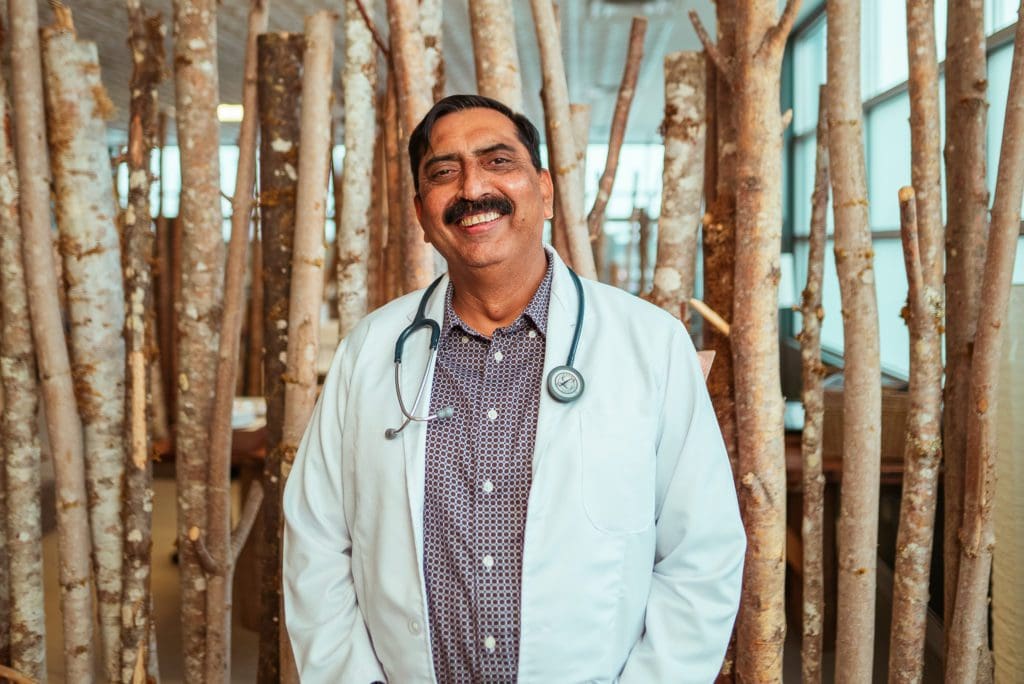
Manual Osteopathic Therapy, Chilliwack and Abbotsford
Sources cited in the FAQs: NHS, Herbal medicines and complementary therapies (reviewed May 2026); NHS, Back pain treatment (reviewed March 2026).
This article is general information, not medical or psychological advice. For advice about your situation, talk to a qualified practitioner.
FAQs
Does manual osteopathic therapy offer direct billing options in British Columbia?
Direct billing depends on the practitioner. Ask when you book. Coverage for manual osteopathic therapy varies between extended health plans, so check your plan before your visit to see what it includes. Fees vary by practitioner. Confirm the fee when you book.
What is manual osteopathic therapy?
Manual osteopathic therapy is a type of manual therapy that aims to ease pain and improve how the musculoskeletal system moves and functions. This therapy uses manual techniques such as stretching, massage, and manipulation to target specific areas of the body that are causing pain or discomfort.
How does manual osteopathic therapy differ from other forms of therapy?
Manual osteopathic therapy focuses on the musculoskeletal system and its interrelation with the body’s organs and systems. This holistic approach sets it apart from other forms of treatment that may focus only on treating specific symptoms or conditions.
What conditions can manual osteopathic therapy help with?
People seek manual osteopathic therapy for concerns such as back and neck pain, headaches, digestive discomfort and musculoskeletal injuries, and to address stress and tension, often alongside care from their doctor. Evidence varies by condition, and it is not a replacement for medical diagnosis or treatment.
What should I expect during a manual osteopathic therapy session?
Your practitioner will start by asking about your health history and symptoms, then assess your posture, movement, and other physical factors that may be contributing to your symptoms. They will then use various manual techniques, such as gentle pressure, stretching, and manipulation, to help release tension and improve range of motion in the affected area. You may feel some discomfort or pressure during the therapy, but it should not be painful.
Is manual osteopathic therapy painful?
Manual osteopathic therapy should not be painful. Your practitioner will use gentle techniques and adjust the pressure based on your comfort level. If you experience any pain during the therapy, tell your practitioner right away so they can adjust the treatment.
How many sessions will I need before I see results?
The number of sessions varies with your concern, your overall health and how you respond to treatment, so there is no set number. Your practitioner can talk through a plan based on your needs after your first assessment.
Can manual osteopathic therapy be combined with other forms of therapy?
Yes, manual osteopathic therapy can be combined with other forms of therapy for a more comprehensive approach to treatment. Your practitioner can work with you to develop a treatment plan incorporating manual osteopathic therapy and other therapies, such as physical therapy or chiropractic care, as needed.
Is manual osteopathic therapy safe for everyone?
It is not right for everyone. The NHS (2026) notes that osteopathy may not be safe for people who take blood thinners or have a higher risk of bleeding or stroke, have very weak or seriously damaged bones or joints, or have a nerve condition such as peripheral neuropathy. Some conditions, such as certain types of cancer or recent surgery, may also mean manual therapy should wait or be adapted. Dr. Raj Salaria, DOMP, will review your health history to decide whether manual osteopathic therapy is appropriate for you.
Are there any risks associated with manual osteopathic therapy?
Like any form of therapy, there are potential risks associated with manual osteopathic therapy. For example, some people may experience temporary discomfort or soreness after a session. In rare cases, manual therapy may cause a new injury or worsen an existing one. Your practitioner will discuss potential risks and work with you to minimize them.
What is the difference between a manual osteopathic practitioner, a chiropractor and a physiotherapist?
Manual osteopathy, chiropractic, and physiotherapy all aim to treat musculoskeletal conditions and improve overall physical health. While there are similarities in the techniques used by these professionals, there are also some key differences. Manual osteopathy is a hands-on therapy that uses gentle manual techniques to address imbalances and restrictions in the body’s musculoskeletal, nervous, and circulatory systems. Manual osteopathic practitioners use a whole-body approach to look for factors that may be contributing to pain and stiffness. Treatment may include joint mobilization, soft tissue techniques, and exercise prescription. Chiropractic is a healthcare profession that focuses on diagnosing, treating, and preventing disorders of the musculoskeletal and nervous systems. Chiropractors use manual techniques to manipulate the spine and other joints in the body, aiming to improve mobility, reduce pain, and restore overall function. Chiropractors also use other treatment modalities such as therapeutic exercise, electrical stimulation, and ultrasound. Physiotherapy is a healthcare profession that focuses on assessing, diagnosing, and treating physical impairments, disabilities, and pain. Physiotherapists use various manual techniques, exercise prescriptions, and other modalities such as heat, ice, and electrical stimulation to treat different conditions affecting the musculoskeletal, neurological, and cardiorespiratory systems. Physiotherapy aims to restore function, reduce pain, and improve overall physical health. Overall, while all three modalities use manual techniques, they differ in their specific approach, methods used, and areas of focus. Therefore, it is important to seek a practitioner with the appropriate training and credentials in the type of therapy you desire.
Will I need to undress for the treatment?
It’s not usually necessary. Wear comfortable clothing that doesn’t restrict movement.
Can manual osteopathy help with chronic pain?
Some people with chronic pain find manual therapy helpful as one part of their care, but results vary and it does not work for everyone. For back pain that is not getting better after a few weeks, the NHS (2026) lists manual therapy among the options, alongside exercise and other treatments.
How often should I book manual osteopathic therapy?
This depends on your individual condition and goals. Your practitioner will recommend a treatment plan after your initial assessment.